Dorset Council has published a comprehensive Biodiversity Report, revealing the scale of work already underway to protect and restore nature.
The report brings together actions from 28 teams and shows how biodiversity is embedded in day-to-day council operations – from land management and planning to education, highways and social care.
It outlines the council’s work from the last two years to conserve and enhance habitats, support species recovery and create opportunities for residents to connect with nature. Key achievements include:
- Nearly 5,000 trees planted across council land
- Over 6,000m of new hedgerow grown
- 345,702m² of wildflower areas created
- 160,140m² of invasive species removed
- 25 natural flood management projects installed
- 62% of urban verges now managed specifically for wildlife
- 40% reduction in glyphosate use on the highway network
- More than £9 million invested in nature recovery through grants and stewardship schemes
Dorset Council country parks have also recorded encouraging signs of wildlife resilience, including increases in breeding birds, butterflies and other species.
Council Leader and Cabinet member for Climate, Cllr Nick Ireland, said: “This report shows how deeply the protection and restoration of nature is being built into the work of teams right across the council.
“We’ve been taking action for many years, but bringing this together in one report demonstrates the breadth of activity and the commitment of our staff, partners and communities.
“Protecting and enhancing Dorset’s natural environment is a shared responsibility, and this report highlights the progress being made.”
The report, which shows how the council is meeting its Biodiversity Duty as required by the Environment Act 2021, also provides examples of nature‑positive practices happening across the county.
There has been wildlife‑friendly planting and habitat creation in schools, care homes and housing schemes and sustainable farming trials at council-owned farms.
Roadside verges and greenspaces are being managed to support pollinators and increase biodiversity while outdoor learning opportunities are being provided for children.
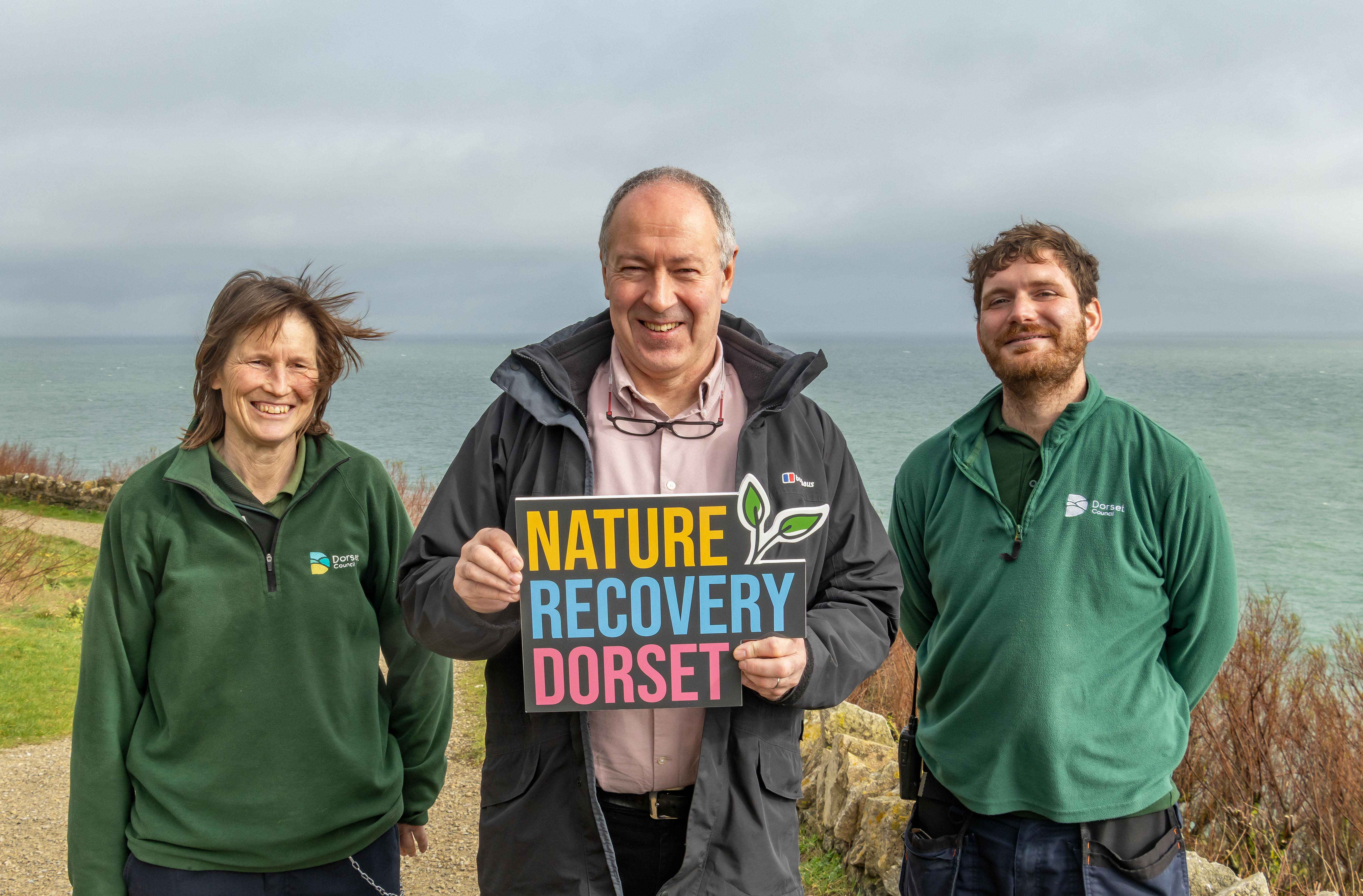
Community engagement has been strengthened through the Nature Recovery Dorset Network, which now has 299 active members.
And major schemes such as the Blandford Waste Management Centre are also delivering significant biodiversity net gain through woodland, wetland and wildlife‑friendly design.
Over the next five years, the council will implement the new Dorset Local Nature Recovery Strategy, expand nature‑based solutions that support climate adaptation, increase support for sustainable farming and strengthen biodiversity monitoring across all services.
Cllr Ireland added: “This report sets the foundation for the next stage of Dorset’s nature recovery. By working together and investing in local projects, we can help ensure a healthier natural environment for future generations.”
The full Biodiversity Report 2023–25 can be found on the Dorset Council website.

Comments
0 Comments